

Yellow: with caution
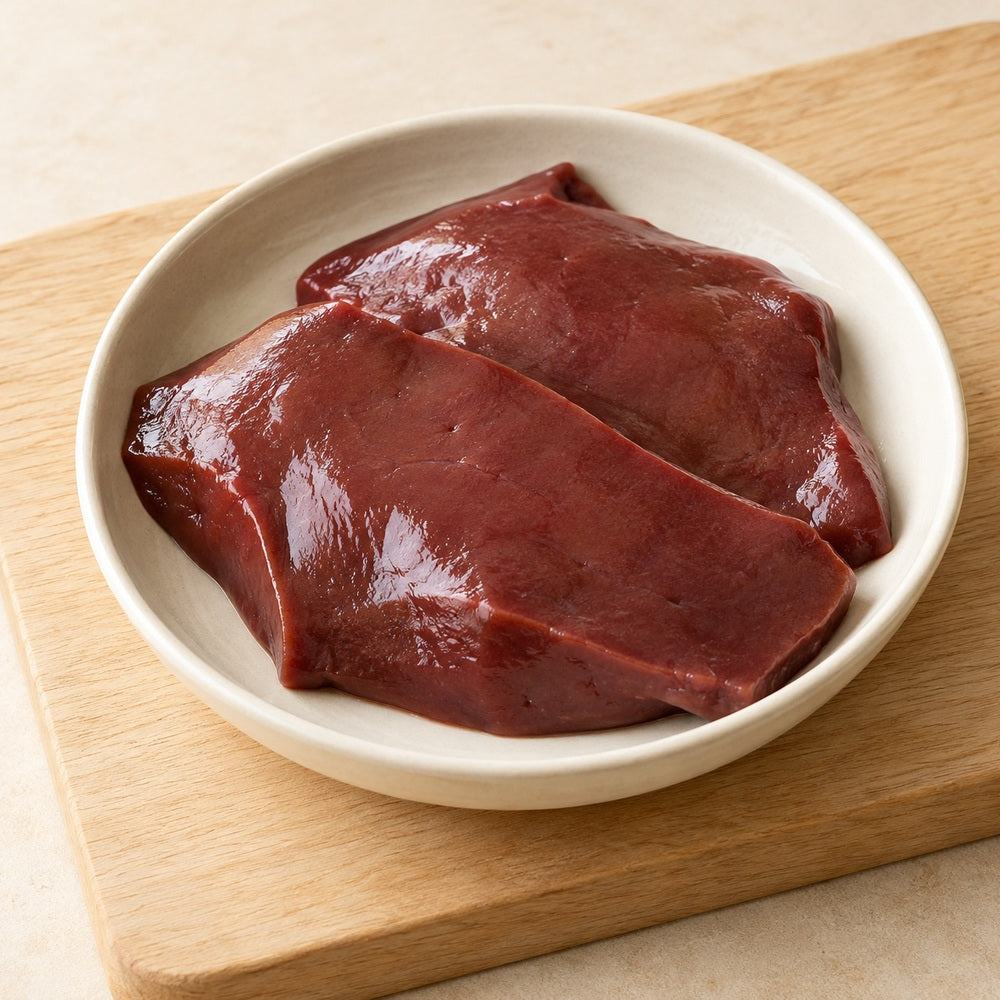
Yes, but only as a small addition. Liver is not poisonous, but it is a very concentrated source of vitamin A. According to the MSD Veterinary Manual, an all-liver diet can cause vitamin A poisoning in dogs.

Why liver gets a yellow rating
Vitamin A is stored in the body. According to VCA Animal Hospitals, poisoning usually develops when animals are given raw liver, cod liver oil or vitamin-rich supplements over weeks or months. Signs develop gradually: a dull coat, dry skin, weakness, weight loss, constipation, excessive bone growth and painful, restricted movement. According to VCA, the extra bone growth does not reverse. An occasional serving of liver is different from a bowlful every day.
What to watch out for
- An addition, not the main meal: Liver complements the food; it does not replace it.
- Cook it first: According to the ASPCA, raw meat can carry Salmonella and E. coli. Cooked and unseasoned is safer.
- Consider supplements: If your dog already gets cod liver oil or vitamin supplements, discuss feeding liver with your vet.
- Feed a balanced diet: According to VCA, a balanced commercial food or a diet formulated by a vet is the right approach.
- Pregnant dogs: According to VCA, too much vitamin A during pregnancy is associated with birth defects.
What if your dog eats a lot of liver?
According to VCA, very large amounts of vitamin A can quickly cause vomiting, drowsiness, irritability and peeling skin. If your dog has eaten a large amount of liver or cod liver oil, call your vet and explain what was eaten, roughly how much and when. If your dog has been eating a lot of liver for some time and seems stiff or lame, bring it up at the next appointment.
If you suspect poisoning, go straight to your vet or an emergency veterinary service.

Check whether your dog is getting the right amount of food in just a minute with our feeding calculator. Our book takes a closer look at feeding: “Hundeernährung und Futterplan” (book in German). For those first weeks with a puppy, try our free Puppy Starter Pack, and for a picture of your dog to hang on the wall, explore dog portraits from your own photo or choose a single portrait.
Further reading
- Calculating your dog’s food portions: how much your dog really needs
- Adding rice and potatoes to dog food: how to account for extras
- Older dog, new rules: giving your senior their best years
Sources, accessed on 20.10.2026: MSD Veterinary Manual, Nutritional Requirements of Small Animals; MSD Veterinary Manual, Toxicoses in Animals From Human Multivitamins and Supplements (Vitamin A); VCA Animal Hospitals, Vitamin A Toxicosis in Dogs; ASPCA, People Foods to Avoid Feeding Your Pets (Raw Meat)
The links to our books are affiliate links. Buying through them supports us at no extra cost to you.


